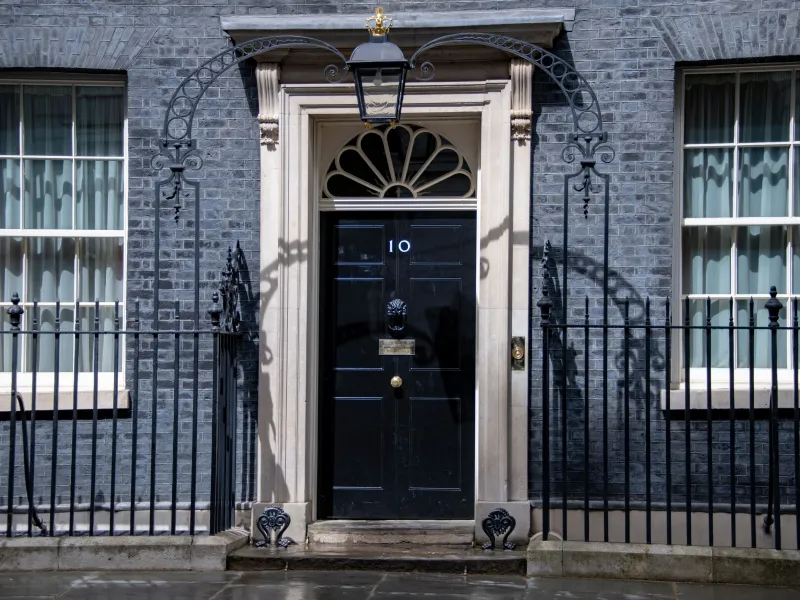
Chancellor John Healey has delivered his first Budget, setting out the Government’s plans for tax and spending.
Households in council tax bands A to D in England will get a £100 payment towards their energy bills from January, electricity will stay VAT-free until 1 July 2027 and gas standing charges are set to go by the end of 2027. The 5p fuel duty cut has been extended to 1 July 2027, the National Living Wage rises by 3.9% to £13.21 an hour next April, and the planned cut to the cash ISA allowance has been dropped.
Some changes start straight away, while others won’t affect your finances until April 2027 or later. Here’s what the Budget means for your tax, bills and savings, and what you should check now.
Autumn Budget 2026 at a glance
What’s changing | When | Who it affects |
£100 Household Energy Payment, paid into bank accounts | From January 2027 | About 20 million households in council tax bands A to D in England |
Electricity stays VAT-free (0% instead of 5%) | Until 1 July 2027 | Great Britain now; the whole UK from April 2027 |
5p fuel duty cut extended (52.95p a litre) | Until 1 July 2027, then up 5p plus inflation | Petrol and diesel drivers |
National Living Wage up 3.9% to £13.21 an hour (18 to 20: £11.27; under-18s and apprentices: £8.31) | 1 April 2027 | Around 2.3 million lower-paid workers |
State Pension up 3.9% (full new State Pension £250.70 a week) | April 2027 | Pensioners |
Tax-free mileage above 10,000 miles up from 25p to 35p | 6 April 2027 | People who use their own car or van for work |
Tax on savings interest and rental income rises to 24%, 44% and 49% | 6 April 2027 | Savers with taxable interest; landlords |
Your First Home: 2.5% deposit on new-build homes | April 2027 | First-time buyers in England |
Unused pensions count towards inheritance tax (already planned) | April 2027 | Families inheriting pension savings |
Gas standing charges scrapped | By the end of 2027, or as soon as possible after | Households with gas in England, Scotland and Wales |
Pay-per-mile for electric cars (3p a mile) | April 2028 | Electric and plug-in hybrid drivers |
New First Time Buyer ISA | April 2029 | First-time buyers saving a deposit |
Cash ISA allowance stays at £20,000 (planned cut scrapped) | No change | Savers |
Insurance premium tax stays at 12% | No change | Car, van, home and pet insurance customers |
Income tax and National Insurance rates | No change; thresholds frozen to 2031 | Workers and pensioners |
What is the Autumn Budget?
The Autumn Budget is the Government’s main statement on tax and spending for the year ahead. The Chancellor sets it out in a speech to the House of Commons, and the Office for Budget Responsibility (OBR), the independent forecaster, publishes its outlook for the economy and the public finances on the same day.
This is John Healey’s first Budget since he took over as Chancellor from Rachel Reeves in July, and the first under Prime Minister Andy Burnham. The OBR now expects the economy to grow by 1.2% this year and 1% in 2027, before picking up to 1.6% in 2028. It expects inflation to peak at 3.8% early next year before falling back to the 2% target in the second half of 2028.
Not everything announced changes straight away. Many tax changes start from a set date, often the new tax year in April, and need to pass through Parliament first. Others go out to consultation, so the detail can still change. Some measures also work differently in Scotland, Wales and Northern Ireland, which set some of their own taxes and policies.
Will you pay more income tax or National Insurance?
No. There’s no change to income tax or National Insurance rates, and the Chancellor said there’s no change to tax on income from employment. Income tax thresholds stay frozen until 2031, though, which means more of any pay rise is taxed as wages go up.
For example, if your salary rises from £35,000 to £36,000, you’ll pay £200 more income tax and £80 more National Insurance on that extra £1,000, because the thresholds aren’t rising with it.
If you live in Scotland, your income tax rates and bands are set by the Scottish Government, so the Scottish Budget will decide what you pay.
National Living Wage
The National Living Wage for workers aged 21 and over will rise by 3.9%, from £12.71 to £13.21 an hour, from 1 April 2027. The Treasury says that’s worth £910 a year before tax for a full-time worker. The rate for 18 to 20-year-olds rises to £11.27 an hour, and the rate for 16 and 17-year-olds and apprentices rises to £8.31, both also up 3.9%.
Earning on the side
The trading allowance, which lets you earn a small amount from things like selling online or freelancing without paying tax on it, will triple from £1,000 to £3,000 a year from 6 April 2027.
Self Assessment is changing too. From April 2029, people who pay tax through Self Assessment will make smaller, more regular payments on account during the year instead of facing large bills. From 6 April 2028, the £2,500 limit that currently means you must use Self Assessment to claim work expenses will be removed.
And from October 2027, online marketplaces will have to collect VAT on sales by UK businesses selling more than £90,000 through them. Personal sales, like clearing out your wardrobe, aren’t affected.
What does the Budget mean for your energy bills?
Households in council tax bands A to D in England will get a £100 Household Energy Payment from January 2027, paid directly into their bank accounts. Up to 20 million households, around 80% of those in England, will get it. The £2.6 billion total includes funding for the Scottish, Welsh and Northern Ireland governments so they can offer similar help, and a further £100 million will go to councils in England to help struggling households, including those in bands above D.
Who gets the £100 household energy payment?
If your home is in council tax band A, B, C or D in England, you are within the group covered by the payment. If you’re not sure which band your property is in, you can check your council tax band on GOV.UK.
The payment will be delivered by local authorities through the council tax system from January 2027. The Government has not yet published full details on whether eligible households will need to take any action to receive it.
What other energy bill changes were announced?
The cut in VAT on household electricity from 5% to 0%, which started on 1 October, has been extended by three months to 1 July 2027. The Chancellor said this takes about £50 off the annual price cap, and it’s expected to apply across the whole UK, including Northern Ireland, from April 2027.
Ofgem has been asked to scrap standing charges on household gas bills in England, Scotland and Wales by the end of 2027, or as soon as possible after then. The gas standing charge currently costs a typical household about £108 a year (29.68p a day), and that cost will move onto the price you pay for each unit of gas, now 7.97p per kWh. Martin Lewis estimates that adds just under 1p per kWh. The Treasury says around 60% of households will be better off, saving an average of £45 a year, while households that use more gas will pay more.
Electricity standing charges, currently 54.83p a day alongside a unit rate of 26.32p per kWh, stay for now, though the Chancellor said similar reforms will follow. It hasn’t yet been confirmed whether the gas change will reach people on fixed tariffs before their deal ends. The Budget also scraps the planned Gas Shipper Obligation, a new charge on gas bills that would have paid for hydrogen projects, and no new policy costs will be added to bills until a new Cost Control Framework is in place in 2027.
The extra energy support is partly paid for by doubling the bank surcharge from 3% to 6% between 1 January 2027 and 31 March 2028. A new energy debt strategy is expected to save a typical household almost £30 by 2030, and interest-free or low-interest loans for solar panels, batteries and heat pumps are on the way under the Government’s Warm Homes plan.
What it means for the energy price cap
The price cap is £1,723 a year for a typical household paying by Direct Debit until 31 December 2026. Ofgem will announce the cap for January to March 2027 on or before 25 November. Uswitch’s average of British Gas, EDF and E.ON Next forecasts, published on 26 October, points to a rise of about 27%. The £100 payment and the VAT extension will help, but they won’t cancel out a rise of that size.
If you’re on a fixed tariff, you can switch without paying exit fees in the final 49 days of your deal, so check your end date before January.
If your fix is ending soon, compare gas and electricity tariffs to see what’s available.
What does the Budget mean for drivers?
Fuel duty will stay at 52.95p a litre until 1 July 2027, after the Chancellor extended the 5p cut through the winter and spring. It had been due to go back up by 5p a litre in January. The cut to red diesel duty has been extended too. On 1 July 2027 the 5p cut ends and duty goes up by 5p a litre plus inflation (RPI), then rises with RPI every April from 2028.
Fuel duty has VAT added on top, so when the cut ends, the 5p rise alone will add about 6p a litre at the pump, or around £3.30 on a 55-litre fill-up, before the inflation increase.
Mileage rates if you drive for work
The 55p-a-mile tax-free rate for the first 10,000 business miles, which has applied since 6 April 2026, is now permanent. From 6 April 2027, the rate for miles above 10,000 rises from 25p to 35p. Compared with the old rates of 45p and 25p, the Treasury says a basic-rate taxpayer saves up to £300 a year in income tax at 15,000 business miles, or £120 a year at 6,000 miles, with around 3 million people benefiting.
Electric and hybrid cars
The pay-per-mile charge, known as eVED, still starts in April 2028 at 3p a mile for electric cars and 1.5p for plug-in hybrids. That’s about £240 a year, or £20 a month, for an electric car driven 8,000 miles. There will be a tool to estimate your mileage at launch, an opt-in ‘eVED Connect’ option that uses your car’s connectivity to report miles, and automated refunds by 2030.
Public and workplace charging carries 20% VAT under rules legislated from 1 November 2026, so there’s no VAT cut for drivers who rely on public chargers. Instead, £100 million over two years from spring 2027 will help councils bring down the cost of on-street charging, which the Treasury says could save an average electric car driver without home charging about £150 a year.
Road tax and company cars
Vehicle Excise Duty for cars, vans and motorcycles rises with RPI inflation from 1 April 2027. The van benefit charge and the car and van fuel benefit charges rise with CPI inflation from 6 April 2027, and company car tax goes up by 1 percentage point in every band in 2030/31, taking electric cars from 9% to 10%.
Vans, taxis and private hire
Van drivers benefit from the higher mileage rate and the fuel duty cut, alongside the road tax and van benefit charge rises above. For private hire, larger operators will have to charge 20% VAT on the full value of fares from 2 January 2028. The Government is consulting on a turnover threshold of £50 million a year, so the change is aimed at the biggest operators.
Renewing soon? Compare car insurance quotes or compare van insurance to see what’s available.
Will insurance cost more?
No. Insurance premium tax (IPT) is unchanged in the Budget, at 12% on most general insurance, including car, van, home and pet cover, and 20% on travel insurance.
Based on the Association of British Insurers’ figures for April to June 2026, the average car insurance premium was £566, which includes £60.64 of IPT, so each percentage point of IPT is worth about £5.05. On the average combined buildings and contents policy of £383, IPT is £41.04, or about £3.42 per point. Your price will still depend on claims and repair costs, so it’s worth comparing quotes at renewal.
Compare home insurance quotes or car insurance quotes before you renew.
What does it mean for homeowners, buyers and renters?
The stamp duty rates you pay when buying a home haven’t changed. Stamp duty applies in England and Northern Ireland. Scotland has Land and Buildings Transaction Tax and Wales has Land Transaction Tax.
The council tax surcharge on homes in England worth £2 million or more is still due to start in April 2028, from £2,500 a year.
First-time buyers
The new £4.7 billion Your First Home scheme launches in England in April 2027 and aims to help around 70,000 first-time buyers of new-build homes. You’ll be able to put down a 2.5% deposit, alongside a government equity loan worth 20% of the price that’s interest-free for the first five years. Household income is capped at £110,000, or £140,000 in London, and the property price is capped at £650,000 in inner London and £500,000 in outer London.
A new First Time Buyer ISA will launch in April 2029, with a 25% government bonus capped at £20,000 on first homes costing up to £450,000. If you already have a Lifetime ISA and buy a first home costing more than £450,000, the withdrawal charge falls from 25% to 20% from midnight on 29 October 2026, as long as the purchase otherwise qualifies.
The Budget doesn’t set mortgage rates, but lenders watch how markets react to the Government’s borrowing plans. Gilt yields, which feed into fixed mortgage pricing, edged up while the Chancellor was speaking, and it’s too early to say whether lenders will change their rates.
Landlords and renters
Landlords will pay more tax on rental profits from 6 April 2027. Rates were already due to rise by 2 percentage points to 22%, 42% and 47%, and the Budget adds a further 2 points, taking them to 24%, 44% and 49%. These property income rates apply in England, Wales and Northern Ireland.
For renters, the Budget removes stamp duty land tax on rent paid under assured tenancies in England, with effect from 1 May 2026, following the Renters’ Rights Act.
Thinking about buying or remortgaging? Compare mortgages to see what’s available.
What’s changing for savers and pensions?
The planned cut to the cash ISA allowance has been scrapped. Under-65s can keep paying up to £20,000 a year into cash ISAs, instead of facing a £12,000 limit from April 2027. The Government will also work with the investment industry on a new incentive for people opening a stocks and shares ISA for the first time.
Tax on savings interest outside an ISA will rise by a further 2 percentage points from 6 April 2027, on top of the rise already planned, taking the rates to 24%, 44% and 49% across the UK. The Treasury says 84% of income tax payers won’t be affected, and a basic-rate taxpayer would need more than £25,000 in savings outside an ISA before paying any tax on the interest. Tax on dividends isn’t changing.
From April 2029, National Insurance relief on pension contributions made through salary sacrifice will still be capped at £2,000 a year. And from April 2027, most unused pension savings will count towards your estate for inheritance tax, as already planned, so it’s worth checking your will and whether your life insurance still fits your plans.
What about benefits and the State Pension?
The State Pension will rise by 3.9% from April 2027 under the triple lock, in line with earnings growth. The full new State Pension goes up from £241.30 to £250.70 a week, about £13,036 a year, or £489 more. The full basic State Pension goes up by £374 a year to £9,989.
Because £13,036 is more than the £12,570 Personal Allowance, the Chancellor has introduced a new Pension Tax Allowance from 6 April 2027 to 5 April 2030. It’s an automatic income tax deduction worth up to £94 a year, roughly the tax that would otherwise be due on the State Pension above the Personal Allowance. If you have other income on top, the deduction shrinks by £1 for every £3 of income above £13,036 and disappears at £13,319.
Most working-age benefits are normally uprated each April by September’s inflation rate, which was 3.5% this year. The Department for Work and Pensions publishes the new rates. The Chancellor also confirmed the triple lock will be adjusted from the next Parliament, to help fund a new National Care Service in England; April 2027’s 3.9% rise goes ahead as normal.
Carer’s Allowance
Unpaid carers will no longer lose all of their Carer’s Allowance for earning a penny over the weekly earnings limit. Instead, £1 of support will be withdrawn for every £1 earned above the limit, from 2030/31 in England and Wales.
Parental pay
A new Parental Allowance will give two weeks’ pay, currently worth up to £194 a week, to around 150,000 parents a year who miss out on statutory paternity pay, including self-employed fathers and partners. It starts in April 2029 in Great Britain.
What else could affect your household budget?
Food: import tariffs are being temporarily cut on more than 100 food and drink products, including chocolate, baked beans and gherkins, which the Treasury estimates could save households around £21 a year. The tariff cut also covers kerosene, used by some households for heating.
Parcels: 1,000 Post Office parcel drop boxes and 600 upgraded branches by March 2027, to make sending and returning parcels easier.
Buses: the £2 bus fare cap will be in place throughout 2027.
Alcohol: main alcohol duty rates rise with RPI inflation from 1 February 2027, while £10 million of extra Small Producer Relief helps more than 2,000 small alcohol producers across the UK.
Gambling: machine games duty rises from 20% to 25% on machines with stakes over £1 from 1 April 2027.
Student loans: interest on Plan 2 and Plan 3 student loans is capped at 6% from 1 September 2026 to 31 August 2027.
What does it mean for small businesses?
The small business rates relief threshold for retail, hospitality and leisure businesses rises from £12,000 to £18,000 from April 2027, bringing 70,000 more businesses into the scheme. Pubs, social clubs and live music venues in England get an extra 20% off their business rates from 1 April 2027, taking their total relief to 35% and worth more than £3,000 per pub. Other businesses in those sectors won’t face an above-inflation rise in their rates for two years.
The Budget also puts £15.4 billion of new capital into the National Wealth Fund, plus up to £5 billion to be invested jointly by the National Wealth Fund and British Business Bank in defence and dual-use businesses over four years.
For business owners selling up, the lifetime limit for Business Asset Disposal Relief falls from £1 million to £500,000 from 6 April 2027. From the same date, a new Founders’ Relief taxes lifetime gains of up to £10 million at 10% for founders of the most successful firms.
What happens next?
Tax changes announced today still need to be approved by Parliament, and most won’t start until April 2027 or later, so check the dates in the table above. Ofgem will announce the January to March energy price cap on or before 25 November. We’ll update this article as more detail comes out.
Check your bills before the changes kick in
Some of today’s changes won’t reach your bank account for months, but it’s worth checking where you stand now. Look at when your energy fix, car insurance and home insurance are due for renewal, and keep an eye on your payslip in April.
The right deal depends on your circumstances. Comparing your options can help you see what’s available and make a more informed decision.
Autumn Budget 2026 FAQs
When do the Budget changes come into effect?
The £100 energy payment arrives from January, and the electricity VAT relief and fuel duty cut now run to 1 July 2027. Most tax, pay and pension changes start in April 2027, gas standing charges are due to go by the end of 2027, and the Carer’s Allowance taper arrives in 2030/31.
Will my energy bills go down?
Not straight away. Households in council tax bands A to D in England get £100 from January, electricity stays VAT-free until 1 July 2027 and gas standing charges are due to go by the end of 2027. January’s price cap is still forecast to rise, so check whether a fixed deal suits you.
Is fuel duty going up?
Not until 1 July 2027. The 5p cut has been extended, so the rises planned for January and March won’t happen, but on 1 July 2027 duty goes up by 5p a litre plus inflation.
Does the Budget affect my car or home insurance?
No. Insurance premium tax is unchanged at 12% on most car, van, home and pet policies. Your price will still depend on claims and repair costs, so compare quotes at renewal.
Is stamp duty changing?
The rates buyers pay haven’t changed. Stamp duty applies in England and Northern Ireland; Scotland and Wales have their own property taxes. Renters in England no longer pay stamp duty on rent under assured tenancies.
This article is for general information and isn’t financial advice. Figures come from the Chancellor’s Budget statement, HM Treasury’s Budget documents and the Office for Budget Responsibility forecast, published on 28 October 2026.
Find more detail here: Budget 2026 - GOV.UK