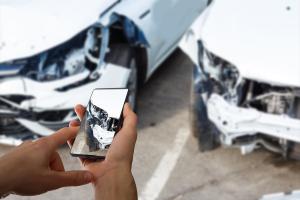
In the age of the internet, it is increasingly easy for UK car buyers to perform a vehicle identity check. Prospective buyers can run a vehicle's registration through the government MOT database, or pay a small fee to a checking service for a more comprehensive assessment. One of the most critical markers in these checks is the Vehicle Condition Alert Register (VCAR).
Unlike the National Mileage Register, MOT history, or service records, a VCAR marker indicates that an insurance company has 'written off' the car - i.e. declared it unsalvageable and uninsurable. The VCAR is an essential tool for people buying used vehicles, as it helps to prevent the purchase of unsuitable, dangerous, and overpriced vehicles.
Here, we will explain VCAR in practical terms, break down modern UK write-off categories, and answer the key questions every driver should know about VCAR
In This Guide:
What is the vehicle condition alert register (VCAR)?
The Vehicle Condition Alert Register is an insurance industry database. The register typically records vehicles that have been written off due to damage, theft, fire, flood, etc.
The VCAR is managed by the Motor Insurer's Bureau. It is not a public access database, but commercial vehicle check companies can make VCAR requests and pass on their findings to private individuals.
It is important to note that being written off in the past doesn't necessarily mean that a car is still in terrible condition. It is possible to repair some VCAR vehicles to a high standard. That being said, any insurance company is likely to consider a VCAR vehicle a higher risk, even if it has been perfectly repaired
What is an insurance write-off?
A vehicle is typically 'written off' by an insurance company when the cost of repairing it outweighs its value, the repairs will take too long and be too complicated to complete, or repairs cannot be carried out safely.
Insurers classify write-offs into four modern categories based on damage severity: A, B, S and N. These replaced the older A, B, C and D system in 2017. The modern categories focus on structural safety and parts recyclability rather than estimated repair cost alone.
Understanding insurance write-off categories
Let's run through the write-off categories and what they indicate:
Category A
For an A classification, a vehicle must be so severely damaged that it can never return to the road under any circumstances. The vehicle has lost all structural and mechanical integrity; no parts can be salvaged, and the entire thing must be crushed.
Category B
Category B vehicles cannot return to the road, but unlike Category A vehicles, some parts may be salvaged and reused (excluding the chassis and body shell). Specific components, such as internal fittings, wheels, or non-structural elements, can be stripped out and reused in other vehicles, but the actual vehicle must be crushed.
Category S
Category S means the vehicle has sustained structural damage (i.e. damage to areas like the chassis, crumple zones, or suspension mounts) so bad that the insurer doesn't think repairs would be cost-effective. If the owner has the vehicle repaired and inspected, a Cat S car can return to the road. However, all future buyers have to be informed of its write-off history.
Category N
Category N covers vehicles with non-structural problems, such as mechanical faults, electrical issues, body panel damage, and interior damage. Category N cars are the most common write-offs to be repaired and returned to the road. Again, people attempting to sell a car with prior Cat N status should disclose this history to potential buyers.
Do I have to write off my car after an accident?
No. The driver does not make write-off decisions; the insurer does. If you own the car outright and choose not to make an insurance claim, you are not obliged to declare your car a write-off, even if the damage is write-off-worthy.
However, if you do make a claim and the insurer classifies the car as a total loss, it will be recorded under VCAR and assigned a category. At that point, you cannot prevent it from being logged.
If the car is written off, you may be offered the option to buy it back from the insurer. This is common for Category S and N vehicles, less common for B, and not permitted for A
Are Cat S and Cat N write-off cars safe to buy?
Vehicles written off under Cat S and Cat N (formerly C and D classifications) can be resold, but they're only safe to buy if they've been transparently, professionally, and safely repaired. If you are considering purchasing a Cat S or Cat N vehicle, it is a good idea to:
- Ask for photographic repair evidence
- Request invoices for parts and labour
- Confirm who carried out the repairs
- Check for alignment issues, airbags, warning lights and panel gaps
- Verify the new MOT record
- Consider an independent vehicle inspection by an approved inspection company
How do I know if a car is on the VCAR?
Unless you are an insurer yourself (or have access to the Police National Computer), you cannot check VCAR directly. What you can do is hire a vehicle history check service. These services access insurance databases and flag whether a car has been registered as a write-off, including its category.
It is always a good idea to run a check on the vehicle's history before buying a car, even if:
- The car looks clean and undamaged
- The seller insists it has never been in an accident
- The MOT history shows no failures
- The mileage is low
In addition, ask the seller for the car's V5 registration document, and check the vehicle's mechanical integrity before purchase
Why the VCAR matters for every driver
VCAR is a valuable tool for everyone in the motor trade. It protects road users, buyers, insurers, and the used-car market by improving transparency into vehicles that have been written off in the past. Without it, drivers could unknowingly purchase cars that have had a past insurance total-loss claim and were not repaired properly.
A car that has been written off once carries a permanent financial and historical footprint. Savvy buyers use VCAR status as part of a wider vehicle assessment - not the only deciding factor - but never a detail to ignore.
If you have a VCAR vehicle or are looking to buy one, remember that insurance premiums are typically higher for past write-offs. To find the very best insurer and the most cost-effective quote, use MoneyExpert's car insurance quote comparison tool. You'll get back a list of the best insurers for your situation within minutes.
FAQs about the VCAR
Can a car on the VCAR be driven again?
Yes, if it is Category S or N and has been repaired to a roadworthy standard. Category A and B vehicles can never return to the road.
Does a VCAR listing affect insurance or resale value?
Yes, it often reduces resale value and may increase insurance premiums because insurers treat previously written-off vehicles as higher risk.
Can I buy my car back after a write-off?
Yes for Categories S and N; sometimes yes for Category B (for parts only), but never for Category A. The insurer decides whether to offer a buyback.
How long does an insurance write-off take?
There is no fixed timeframe. It depends on inspection availability, parts assessments, and insurer processing times. Some cases conclude in days, while complex assessments may take weeks
-(1)-preview.jpg)