
What is appliance insurance?
Appliance insurance is a specialised type of insurance that delivers a payout if one of your appliances breaks down due to age, wear and tear or accidental damage. Payouts will cover repair or replacement if the appliance is beyond repair. Many policies also cover call-out charges, parts and labour, and some give you access to a helpline that can connect you with an engineer quickly — though what's included varies by provider, so it's worth checking the policy details.
Appliance insurance policies typically last 12 months, at which point they can be renewed. You may also find policies that last longer.
You won't need to obtain a separate insurance policy for each appliance. Many providers let you add on more appliances and offer a discount for doing so — the size of the discount and how many appliances you need to qualify varies quite a bit by provider, so it's worth comparing a few. Some providers will only insure two or more appliances on one policy.
You can purchase these policies from an insurance company. They may also be offered by the retailer when you buy the appliance, but it's best to shop around. An insurance comparison site like Money Expert can give you access to as many quotes as possible, to help you find the policy with the best price and best cover.
What does appliance insurance cover?
Appliance insurance protects in the instance that appliances need repairing or replacing if they:
develop mechanical problems, due to fault, age, or wear and tear or
sustain accidental damage
Payouts cover repair costs, including parts, labour and call-out fees, or, if repair is impossible, the replacement of the appliance with a similar model. However, only appliances under a certain age, typically three years, will usually be eligible for replacement. You'll also generally need to use an authorised repairer, as using anyone else could invalidate your claim. Your insurance should also give you access, via a helpline, to engineers who can be called out quickly.
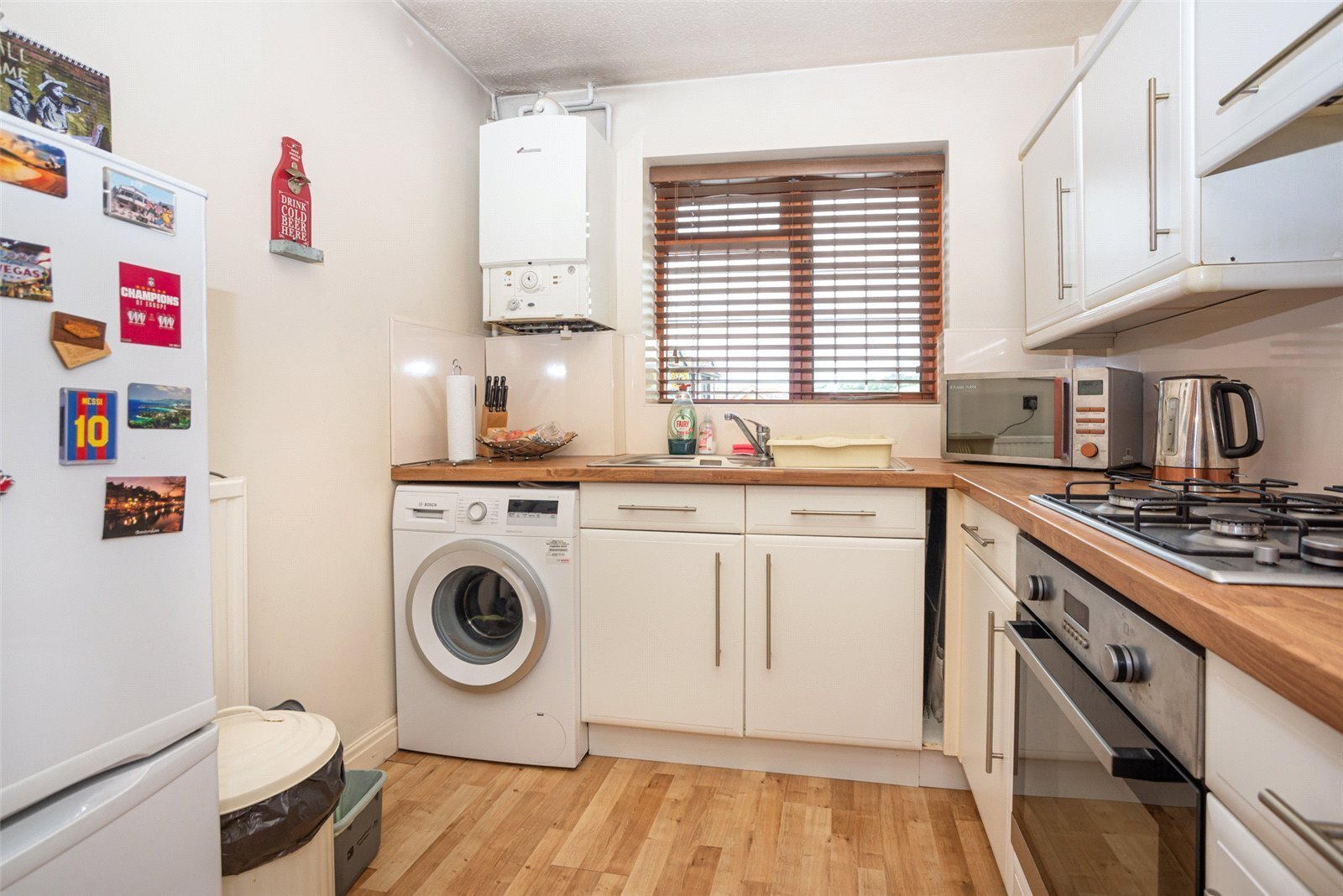
Appliance insurance typically covers the following home and kitchen appliances:
refrigerators
freezers
washing machines
tumble dryers
dishwashers
ovens
hobs
microwaves
Many policies also extend to entertainment and other household items, such as:
TVs and games consoles
music systems
coffee machines and other small kitchen appliances
 What are common exclusions on appliance insurance policies?
All insurance policies have exclusions or events they won’t cover. Typical exclusions on appliance insurance policies include:
cosmetic damage, including dents and scratches
deliberate damage
faults arising from your failure to follow the manufacturer’s instructions
the replacement of batteries, fuses, and bulbs
problems that existed before you took out the cover
delivery and installation costs
call out costs if no fault is found with the appliance
damage to appliances if your home has been vacant for more than 30 days
repairs that have not been carried out by an authorised engineer
claims for appliances used in commercial ventures - e.g. for ovens and dishwashers in a cafe or restaurant
Unfortunately, most policies will not cover appliances over eight years old, so you may struggle to insure older white goods.
Do you need appliance insurance?
You likely already have a contents insurance policy that you believe protects your appliance. Do you need additional cover for them?
In fact, yes. Home appliance insurance cover offers a different kind of protection from standard home insurance. Standard contents insurance policies only provide payouts if the appliance is damaged in an insured event, like a fire or natural disaster, and won’t compensate you if it simply stops working, either due to mechanical fault or wear and tear. That’s what appliance insurance is for.
But you won’t need to insure appliances that are still under a manufacturer’s guarantee. These guarantees entitle you to repairs by the manufacturer or to replacement machines if they stop working. However, they typically only last a few years - one to five is standard, depending on the item - and once they lapse, you’re financially responsible for any repairs or replacements, even if they need to be done by the manufacturer.
Apart from this, there are two separate legal protections worth knowing about for newly bought appliances. Under the Consumer Rights Act 2015, you have a short-term right to a full refund if a fault appears within the first 30 days of purchase. After that, and up to six months, the law presumes any fault was present when you bought the item, but the retailer is entitled to attempt a repair or replacement first, rather than owing you an immediate refund. Either way, appliances within this window are unlikely to need separate insurance.
To determine if it is worth insuring your appliances, compare the yearly cost of a policy with the cost of replacing the appliances. If it’s cheaper to replace them outright than to buy two or three years of insurance, you can probably forgo these policies. This is especially true if your appliances are older. Appliances over three years old typically won’t qualify for replacement under insurance policies and those over eight are ineligible for most insurance, or very expensive to insure.
When would you not need appliance insurance?
You're renting a furnished property - appliances included in the tenancy are generally the landlord's responsibility to repair or replace, though it's worth checking your tenancy agreement.
Your appliances are brand new and still under manufacturer's guarantee, or under six months old and covered by the Consumer Rights Act 2015
You already have contents insurance with accidental damage cover, which may be enough for fire, theft, flood and accidental damage - though not usually mechanical breakdown
Your appliances are older than most insurers' age limits (typically eight years), where cover may not be available or worthwhile
What should you look for in an appliance insurance policy?
When you compare home insurance, you’ll receive quotes from dozens of insurers in seconds. Here’s what to look for when deciding between them. Hint: don’t just look at the premium price.
Premiums: this is how much you’ll pay for the policy, usually spread over its 12-month term. You may be able to get a discount if you pay for the full policy upfront.
Maximum Item Cover: the maximum value of a single insured appliance. Look for a policy with a maximum cover that at least matches the value of your most expensive appliance.
Maximum Number of Claims: some policies will restrict the number of times you can claim per year, usually to three. Others offer an unlimited number of claims.
Excess: the amount you’ll be expected to pay toward any claim. Sometimes insurers will offer £0 excesses on callouts but expect you to pay towards any repairs.
Claims Limit: the most an insurer will pay out for a claim.
How much does home appliance insurance cost?
The cost of home appliance cover is influenced by a variety of different factors, such as the level of coverage you opt for, the number and types of appliances you wish to protect, and even your location. With options ranging from basic to comprehensive protection, the flexibility in coverage means there's something for every household.
To ensure you're making an informed decision, it's important to shop around, comparing not just the costs but also the coverage details and customer reviews of various policies. This approach helps you find a policy that not only fits your budget but also provides the protection your home appliances need.
Extended warranty vs appliance insurance
Deciding between home appliance insurance and an extended warranty is a common dilemma. An extended warranty, which is essentially an insurance policy from the manufacturer of an appliance, is often purchased at the point of sale of the appliance. This option might seem convenient, but it's worth considering that extended warranties can sometimes be pricier than appliance insurance.
One significant limitation of extended warranties is that they cover only the specific item purchased, leaving any other appliances you own without protection. On the other hand, a standalone home appliance insurance policy can cover multiple appliances in your home under a single plan, potentially offering a more cost-effective and comprehensive solution for protecting your household appliances.
The UK government's Competition and Markets Authority advises against feeling pressured into buying an extended warranty at the point of sale - it's worth comparing your options rather than accepting the first one you're offered.
Related guides and products
Why Money Expert?
Money Expert has been helping UK customers compare and save on home insurance since 2003. We connect you with a broker who can help you find the right home insurance policy - with or without appliance cover - from a panel of trusted UK insurers.
Insuring appliances FAQs
Does home insurance cover appliances?
Home insurance policies often cover appliances, but the extent of coverage can vary significantly between policies. Typically, appliances are covered if they are damaged or destroyed by a situation listed in your policy, such as fire, theft, or water damage. However, normal wear and tear or mechanical failure may not be covered. It's important to review your policy details or speak with your insurance provider to understand what is and isn't covered.
Can you insure multiple appliances?
Yes, you can insure multiple appliances under a home insurance policy. Most policies include personal property coverage, which can cover the cost of repairing or replacing appliances after a covered loss. For high-value appliances, you may need to purchase additional coverage.
Will my appliances be replaced?
Many insurers offer a "new for old" coverage option for personal property, including appliances, which means that if your appliances are damaged or destroyed by circumstances covered in your policy, the insurance company will pay for new appliances of the same kind and quality without deducting for depreciation. However, this may not always be the case, with some providers offering to fix your appliances if possible or pay out their current value.
Can I insure old appliances?
Insuring old appliances is possible, but there may be limitations, as some insurance policies might not fully cover older appliances due to depreciation, or they might only offer actual cash value coverage instead of replacement cost coverage. Many home insurance policies won't cover appliances that are 8 years old or more, but check your terms for the exact age limit to be sure.
Does appliance insurance cover call-out charges?
Most policies cover call-out charges as part of the claim, but be aware that if an engineer is called out and finds no fault with the appliance, you may not be covered for that visit.
Is it worth getting appliance insurance for a single appliance?
It depends on the appliance's value and how expensive it would be to replace. Compare the yearly cost of cover against the cost of a new appliance - if a few years of premiums would add up to more than a replacement, it may not be worth it for lower-value items.
What's the 50/50 rule for appliances?
It's a rule of thumb some people use to decide whether to repair or replace an appliance: if a repair would cost 50% or more of the price of a new equivalent appliance, and the appliance is roughly half way through its expected lifespan, replacing it is usually the better value option.